

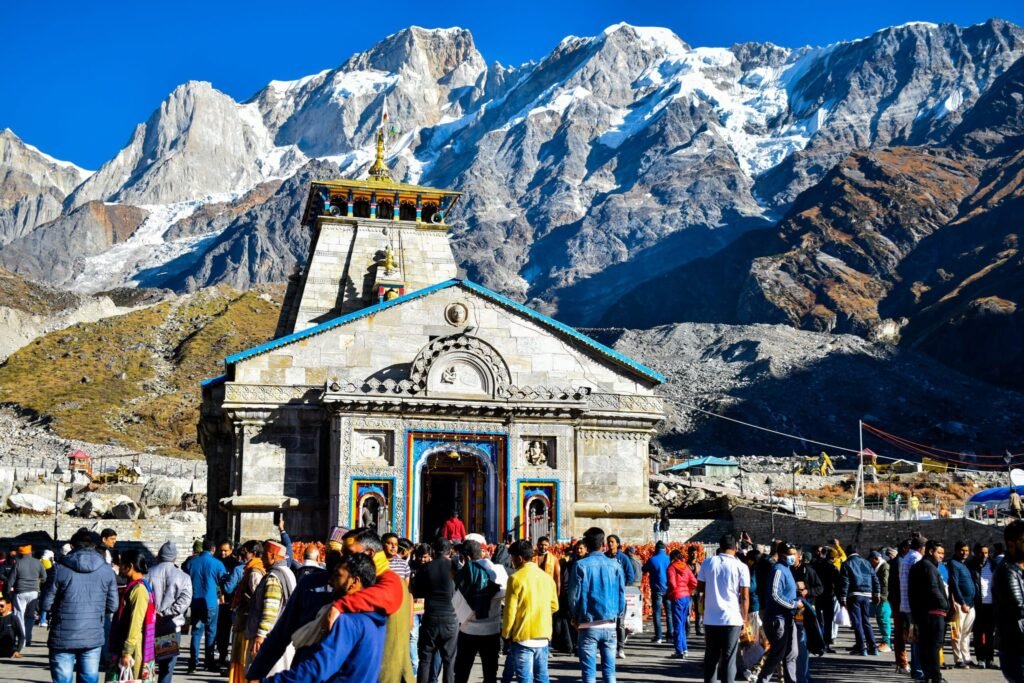
Nestled in the majestic Garhwal Himalayas of Uttarakhand, Kedarnath is one of the most revered pilgrimage destinations in India. Known as the abode of Lord Shiva, this sacred town is home to the ancient Kedarnath Temple, one of the twelve Jyotirlingas and a key site in the Char Dham Yatra. Surrounded by snow-capped peaks, pristine rivers, and breathtaking landscapes, Kedarnath offers not only spiritual solace but also an opportunity to connect with nature’s grandeur. Join me as we embark on a journey to this divine destination, exploring its spiritual significance, natural beauty, and the challenges and rewards of this sacred trek.
The Spiritual Significance of Kedarnath
Kedarnath holds immense importance in Hindu mythology and spirituality. According to legend, the Kedarnath Temple was built by the Pandavas to seek forgiveness from Lord Shiva after the Kurukshetra War. It is believed that visiting Kedarnath and offering prayers here washes away one’s sins and paves the way for salvation (moksha). The temple, situated at an altitude of 3,583 meters (11,755 feet), is a testament to ancient Indian architecture and devotion, standing tall amidst the rugged Himalayan terrain.
The Sacred Kedarnath Temple
The Kedarnath Temple, dedicated to Lord Shiva, is the heart of this pilgrimage. Built with massive stone slabs, the temple has withstood the test of time and natural calamities, including the devastating floods of 2013. The temple’s architecture, with its intricate carvings and towering spire, exudes a sense of divinity and grandeur. Inside the temple, the Shiva Lingam, in the form of a conical rock, is the focal point of worship.
The temple opens only for six months a year (from April/May to October/November) due to extreme weather conditions. During the winter months, the deity is carried down to Ukhimath, where worship continues.
The Journey to Kedarnath: A Trek of Faith
Reaching Kedarnath is not just a physical journey but a spiritual one. The town is inaccessible by road, and pilgrims must undertake a challenging trek to reach the temple. Here’s how you can get there:
- Starting Point: Gaurikund
The trek to Kedarnath begins at Gaurikund, the last motorable point. Gaurikund is well-connected by road to major towns like Rishikesh, Haridwar, and Dehradun. From here, the trek is approximately 16 kilometers (one way). - The Trek
The trail to Kedarnath is steep and demanding, but it is well-marked and dotted with resting points, tea stalls, and breathtaking views. The path takes you through lush green valleys, cascading waterfalls, and the roaring Mandakini River. For those unable to trek, options like ponies, palkis (palanquins), and helicopter services are available. - Helicopter Services
For those short on time or unable to trek, helicopter services from Phata, Guptkashi, or Sirsi provide a quicker and more convenient way to reach Kedarnath. The aerial views of the Himalayas are an added bonus.
The Scenic Beauty of Kedarnath
Kedarnath is not just a spiritual destination; it is also a paradise for nature lovers. The town is surrounded by towering peaks, including Kedarnath Peak (6,940 meters) and Kedar Dome, which add to its mystical charm. The Mandakini River, flowing through the valley, enhances the serene ambiance. Some must-visit spots around Kedarnath include:
- Vasuki Tal
A high-altitude glacial lake located about 8 kilometers from Kedarnath, Vasuki Tal is a challenging trek but rewards visitors with stunning views of the surrounding peaks and crystal-clear waters. - Gandhi Sarovar
Also known as Chorabari Tal, this serene lake is located about 3 kilometers from Kedarnath. It is believed that Mahatma Gandhi’s ashes were immersed here, adding to its historical significance. - Bhairavnath Temple
Located about 500 meters from the main temple, this shrine is dedicated to Bhairav, the fierce form of Lord Shiva. It is believed that Bhairav protects Kedarnath during the winter months when the temple is closed.
Challenges and Preparations
The journey to Kedarnath is not for the faint-hearted. The high altitude, unpredictable weather, and strenuous trek require physical fitness and mental preparedness. Here are some tips to make your journey smoother:
- Acclimatize Properly
Spend a day or two in Guptkashi, Phata, or Sonprayag to acclimatize to the altitude before starting the trek. - Pack Wisely
Carry warm clothing, sturdy trekking shoes, rain gear, and essential medicines. The weather in the Himalayas can change rapidly, so be prepared for rain or snow. - Stay Hydrated and Energized
Carry water, energy bars, and dry fruits to keep yourself hydrated and energized during the trek. - Respect the Environment
Kedarnath is a fragile ecosystem. Avoid littering and follow eco-friendly practices to preserve its natural beauty.
Best Time to Visit
The best time to visit Kedarnath is during the summer months (May to June) and early autumn (September to October). During these months, the weather is pleasant, and the trekking routes are accessible. The monsoon season (July to August) is risky due to landslides, while winters are extremely harsh, with heavy snowfall.
How to Reach Kedarnath
- By Air: The nearest airport is Jolly Grant Airport in Dehradun, about 239 kilometers away.
- By Train: The nearest railway station is Rishikesh, about 216 kilometers from Gaurikund.
- By Road: Regular buses and taxis are available from Rishikesh, Haridwar, and Dehradun to Gaurikund.
Conclusion
Kedarnath is more than just a pilgrimage; it is a journey of faith, resilience, and self-discovery. The combination of spiritual energy, breathtaking landscapes, and the thrill of the trek makes it a once-in-a-lifetime experience. Whether you are a devout pilgrim or an adventure seeker, Kedarnath will leave you with a sense of awe and fulfillment. So, pack your bags, prepare your mind and body, and embark on this divine journey to the abode of Lord Shiva.
Have you visited Kedarnath? Share your experiences, tips, and stories in the comments below!